International Conference on Türkiye-India Relations: Historical and Contemporary Perspectives

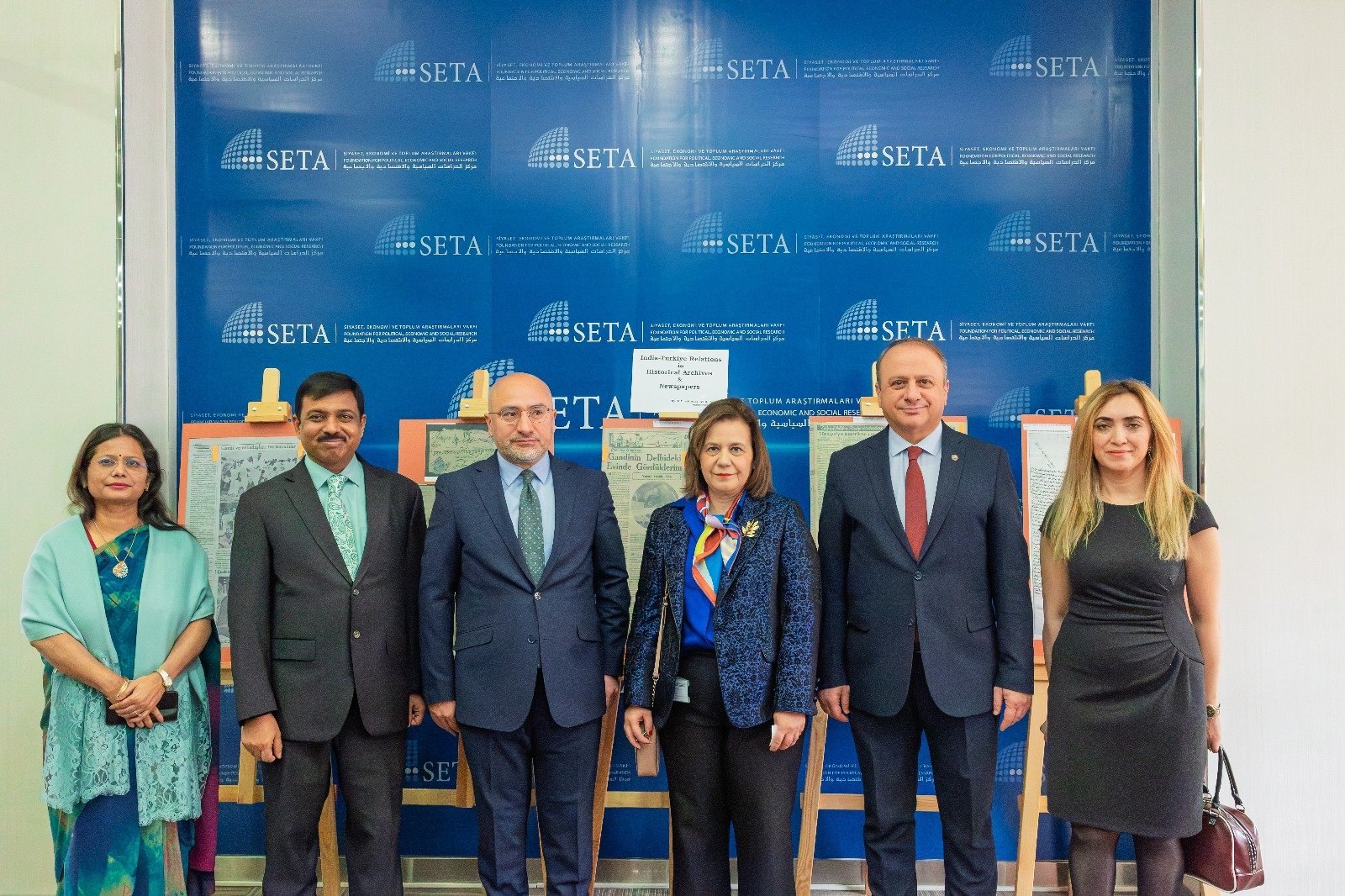
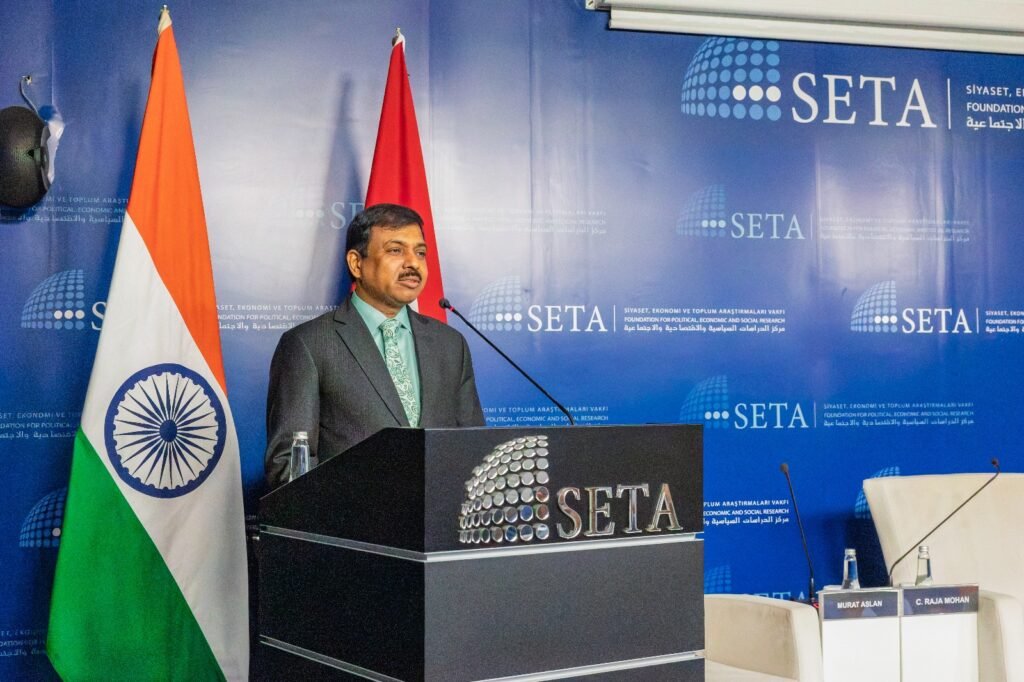
Jointly organized by the Foundation for Political, Economic and Social Research (SETA) based in Ankara and the International Dialogue and Diplomacy Foundation (IDDF) from New Delhi, the event brought together diplomats, scholars, and experts to discuss various facets of the evolving relationship between Türkiye and India. The conference commenced with opening remarks from Nebi Miş, General Coordinator of SETA, and Prof. Aftab Kamal Pasha, Director of IDDF. Their addresses underscored the significance of the conference in fostering dialogue and collaboration between the two countries. Keynote speeches were delivered by H.E. Ambassador Muktesh K. Pardeshi, India’s Ambassador to Türkiye, and H.E. Ambassador Berris Ekinci, Deputy Foreign Minister of Türkiye. Both dignitaries emphasized the importance of historical ties and the potential for future cooperation, setting a positive tone for the discussions to follow.
The conference featured four panel discussions, each focusing on critical aspects of Türkiye-India relations:
Muhittin Ataman
Türkiye is trying to support regional initiatives to build multilateral institutions. To create a “Regional stability axis” and regional interdependence is an important objective of Türkiye’s regional policy. Türkiye is trying to refine global governance. It is more active in the global south. As a result Türkiye had tried to normalise its relations with Iran and Israel (before 7th October). Türkiye now takes the first step to resolve any conflict through a political approach.
Prof. Mehmet Ozkan National Defense University Istanbul,
India is missing in Türkiye’s Asia relations and Türkiye in India’s West Asia relations. That puzzle should be fixed. A new perspective is emerging in Türkiye to upgrade relations with India.
Prof. Muhammad Gulrez
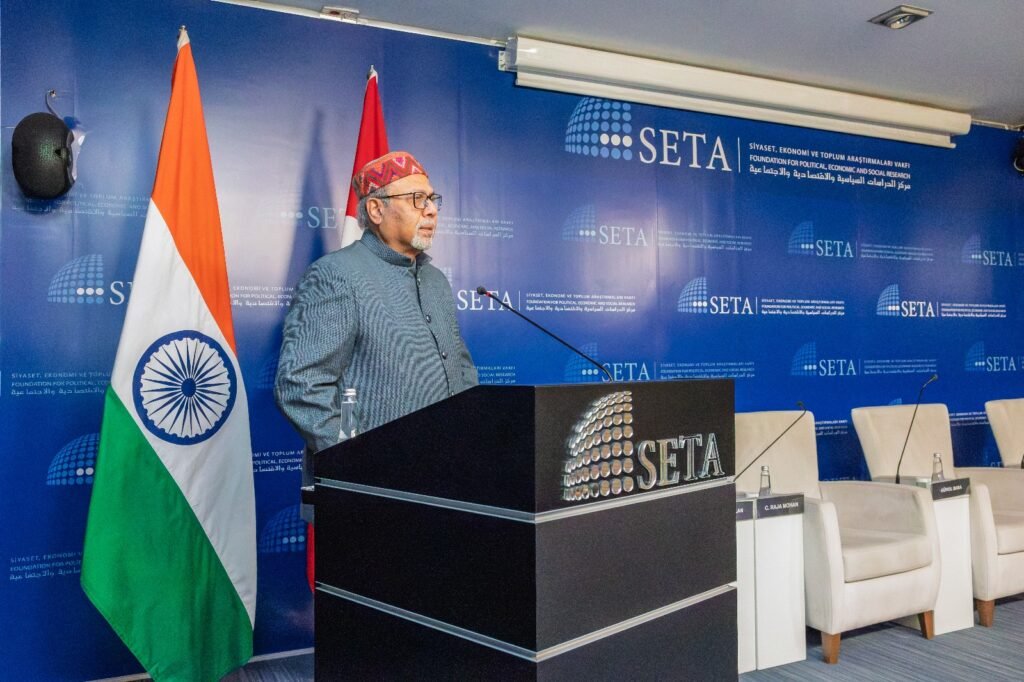
In an important discussion on Perspectives on Global South, Prof. Mohammad Gulrez: India and Türkiye have so many things to cooperate for in Africa’s development including in health care, agriculture, and education.
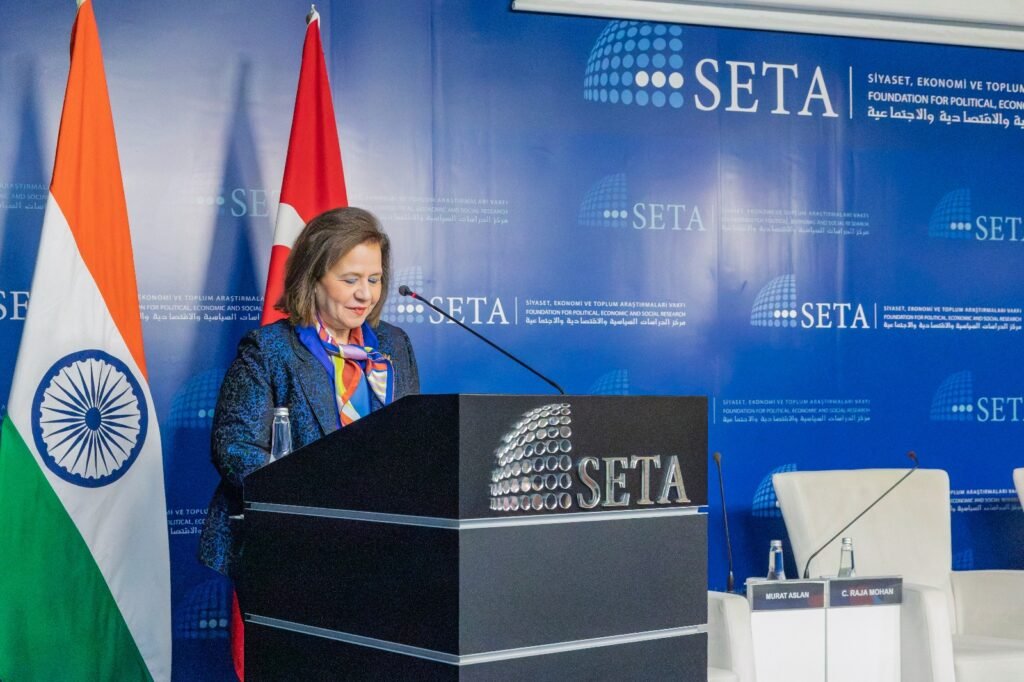
Panel 1: Global and Regional Order
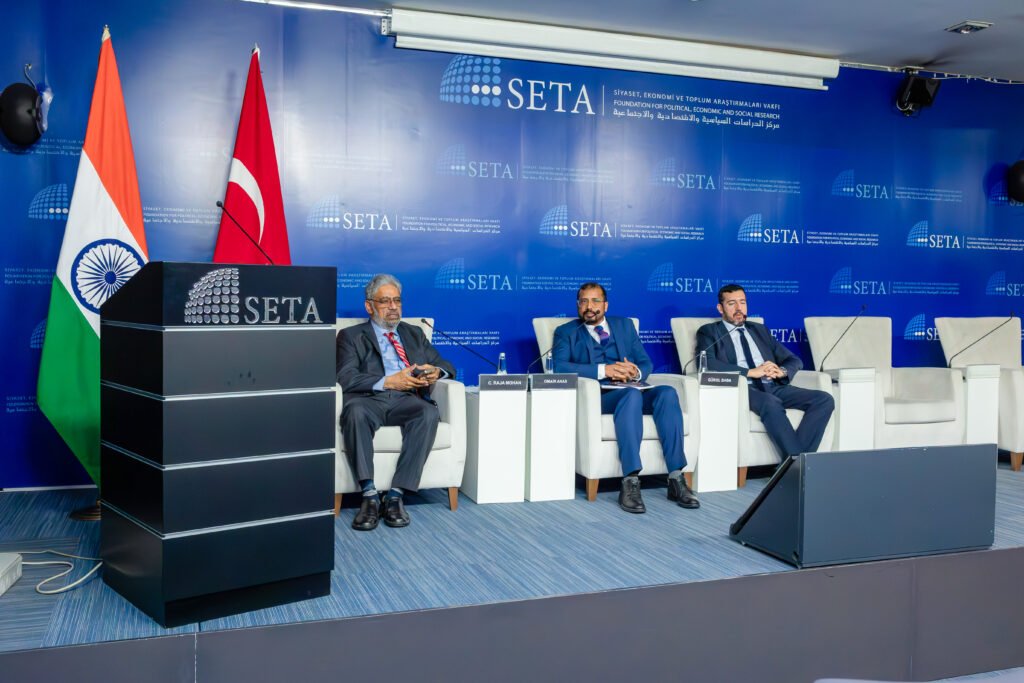
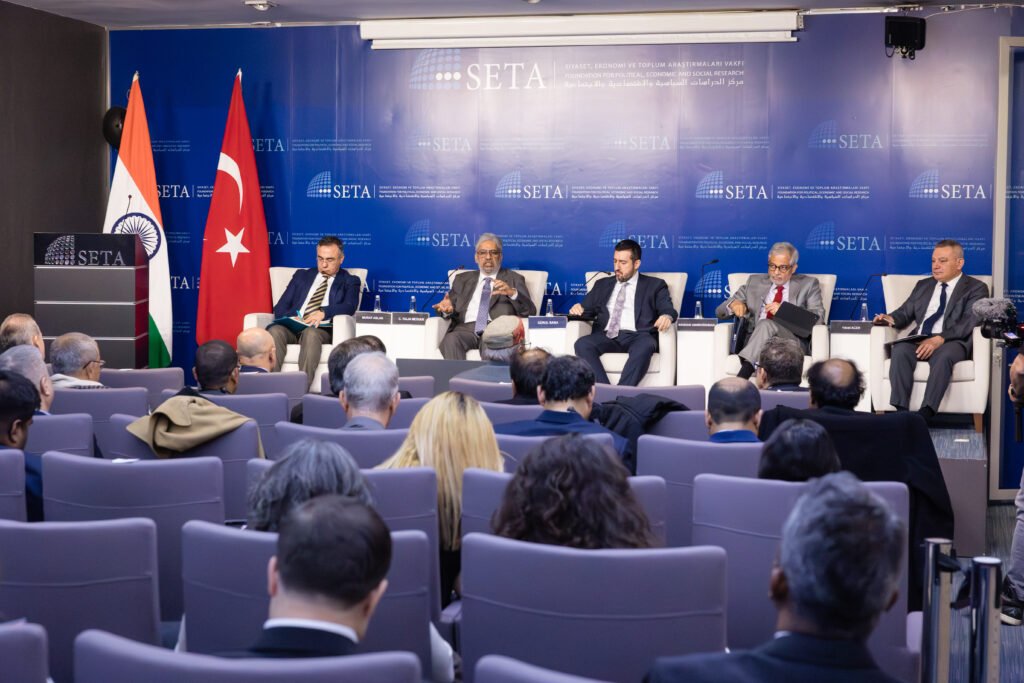
This session examined the roles of Türkiye and India in the evolving global landscape. Participants included Muhittin Ataman (SETA), C. Raja Mohan (Centre for Strategic and Defence Research – CSDR), Gürol Baba (Social Sciences University of Ankara – ASBU), Nandan Unnikrishnan (Observer Research Foundation – ORF), and Yücel Acer (Ankara Yıldırım Beyazıt University – AYBU). Discussions centered on the geopolitical shifts affecting both nations and strategies to navigate these changes.
Panel 2: Perspectives on the Global South
This panel explored the shared experiences and challenges of countries in the Global South. Speakers included Gürol Baba (ASBU), Prof. Mohammad Gulrez (Aligarh Muslim University – AMU), Mehmet Özkan (National Defense University), Manish Chand (Centre for Global India Insights), and Muhittin Ataman (SETA). The dialogue highlighted opportunities for collaboration in addressing common developmental and geopolitical issues.
Panel 3: Bilateral Relations
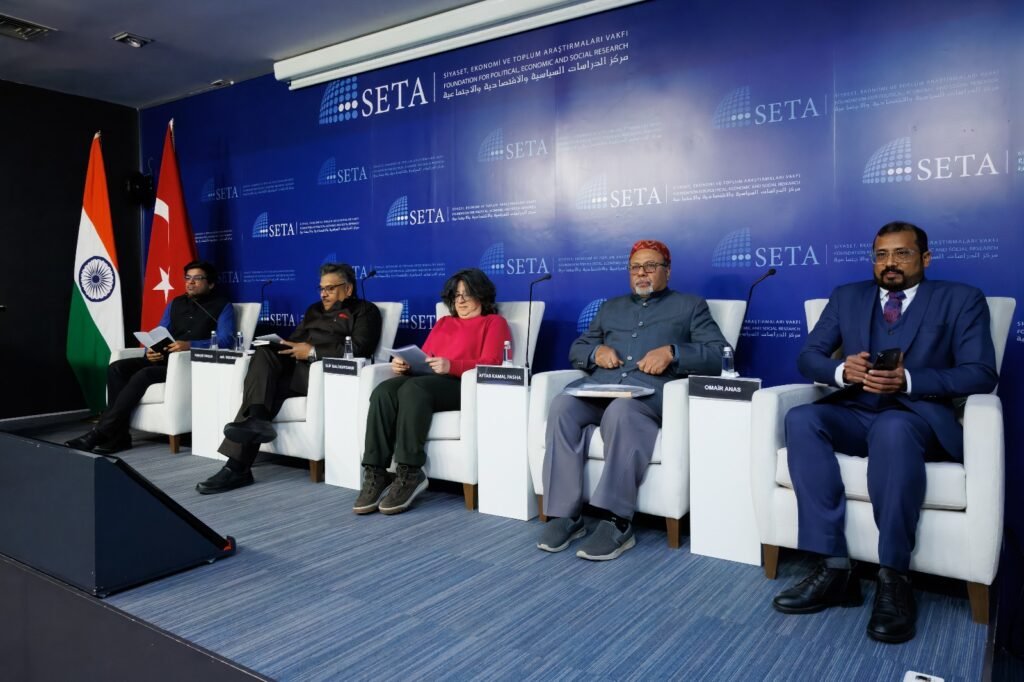
Focusing on the direct ties between Türkiye and India, this session featured Kabir Taneja (ORF), Ambassador Anil Trigunayat, Elif Bali Kurtarır (Yıldız Technical University – YTU), Prof. Aftab Kamal Pasha (IDDF), and Omair Anas (AYBU). The panelists discussed historical connections, current diplomatic engagements, and potential areas for strengthening bilateral relations.
Panel 4: Trade, Defence, and Development
This panel addressed the economic and security dimensions of the bilateral relationship. Participants included Mehmet Uğur Ekinci (SETA), Prasanta Kumar Pradhan (Institute for Defence Studies and Analyses – IDSA), Kerem Alkin (Medipol University), Javed Zafar (Karabük University), and Murat Aslan (SETA). Discussions revolved around enhancing trade partnerships, defense collaborations, and joint development initiatives.
A closed-door session was held exclusively for invited participants, providing a platform for in-depth discussions on strategic issues. This forum allowed experts to engage in candid dialogues, fostering a deeper understanding of mutual concerns and aspirations.
Historical Context: From Shared Heritage to Divergent Paths
Türkiye and India share a rich tapestry of historical interactions, marked by cultural exchanges and trade along ancient routes. However, the Cold War era introduced complexities that led to divergent political alignments. Despite these differences, both nations have maintained a foundation of mutual respect and cultural affinity. The conference served as a platform to revisit this shared heritage and explore pathways to rejuvenate the relationship in the contemporary context.
Economic Engagements: A Trajectory of Growth
Economic relations between Türkiye and India have witnessed significant growth over the past decade. Bilateral trade expanded from approximately USD 6 billion in 2014 to USD 14 billion in 2023, reflecting a robust upward trajectory. This growth underscores the potential for further economic collaboration, particularly in sectors such as technology, infrastructure, and energy. The conference highlighted the need to diversify trade portfolios and encourage investments in emerging industries to sustain this momentum.
Strategic Cooperation: Navigating Geopolitical Realities
Both Türkiye and India occupy strategic positions in their respective regions, influencing geopolitical dynamics. The conference emphasized the importance of strategic dialogue to address common security concerns, including cyber threats, regional stability, and defense cooperation. By aligning their strategic interests, both nations can contribute to regional and global security architectures.
Cultural Diplomacy: Bridging Societies
Cultural exchanges have historically been a cornerstone of Türkiye-India relations. The conference underscored the role of cultural diplomacy in strengthening people-to-people connections. Initiatives such as academic collaborations, tourism promotion, and artistic exchanges were identified as vital tools to enhance mutual understanding and appreciation. These efforts aim to build a robust societal foundation for the bilateral relationship.
Technological Collaboration: Embracing the Future
In an era defined by rapid technological advancements, the conference highlighted the potential for collaboration in areas such as artificial intelligence, cybersecurity, and digital innovation. Both Türkiye and India have thriving tech industries, and fostering joint research and development initiatives can lead to groundbreaking innovations.
Participants emphasized the importance of bilateral agreements in technology transfer, particularly in areas like semiconductor manufacturing, renewable energy solutions, and space exploration. Collaborative efforts in start-up ecosystems, digital governance, and fintech were also discussed as key drivers for future engagement.
With both nations investing in smart infrastructure, 5G deployment, and sustainable energy technologies, greater cooperation in these fields could bolster economic growth and enhance technological self-sufficiency. The conference underscored the necessity of a bilateral technology dialogue to identify emerging opportunities and streamline cooperation mechanisms.
Conclusion: A Renewed Vision for Türkiye-India Relations
The Türkiye-India conference in Ankara marked a significant milestone in the evolving bilateral relationship between the two nations. Dr. Omair Anas and Prof. Gurol Baba summarised the two days’ discussions. Prof. Gurol provided a context in which the new geopolitical situations are evolving in the Indo-Pacific and how India and Turkiye would need each other for regional security and cooperation. Dr. Omair Anas outlined the areas of cyber security, artificial intelligence, defence, and culture for more cooperation. Dr. C Raja Mohan presented his valedictory speech by recognizing that the conference was a bold step towards challenging the discursive monotony in India-Turkiye relations. It encourages us to reimagine our relations beyond the rigidities of (narcissism) of the past and the comfort of the status quo. The conference recognizes the expectations, aspirations, and limitations of the two countries’ cooperation in bilateral and regional settings. That there is a mutual willingness and recognition to redefine their relations for the changing regional and world order that fits with both countries’ changing strategic and economic profiles in their respective foreign relations. How this can be achieved is an important question and he suggested that more dialogue forums and frank exchanges are the main prerequisites for starting the process. Think tanks, experts, scholars, and academia must be provided more opportunities to meet and interact. He said, “whether we like it or not, there is no other way to achieve that. If we don’t interact, we simply lose more time and delay the mutually desired transformation of our relations. This should not stop in Ankara, and the next edition of this forum must be hosted by our Indian friends in New Delhi.”
Download the full report,