India and Türkiye Must Move Beyond Differences to Unlock Strategic Potential: Experts

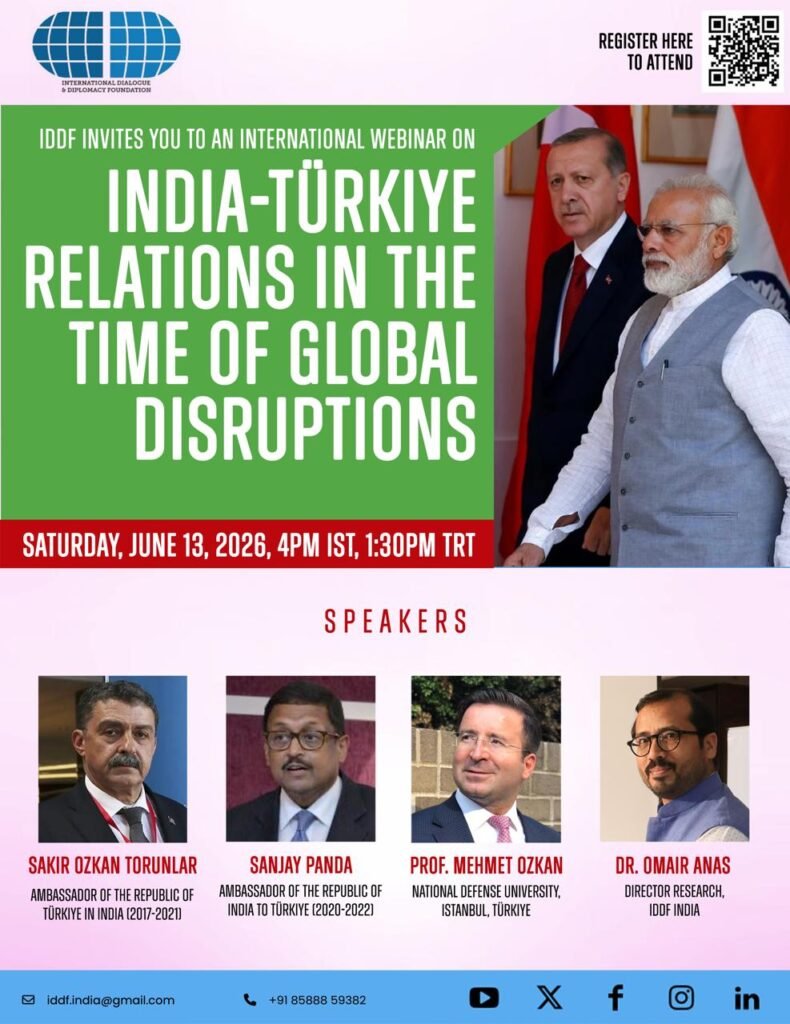
India and Türkiye should strengthen bilateral ties while strategizing their respective foreign policies vis-avis West Asia, experts from both countries attending a webinar titled “India–Türkiye Relations in the Time of Global Disruptions,” said on Saturday.
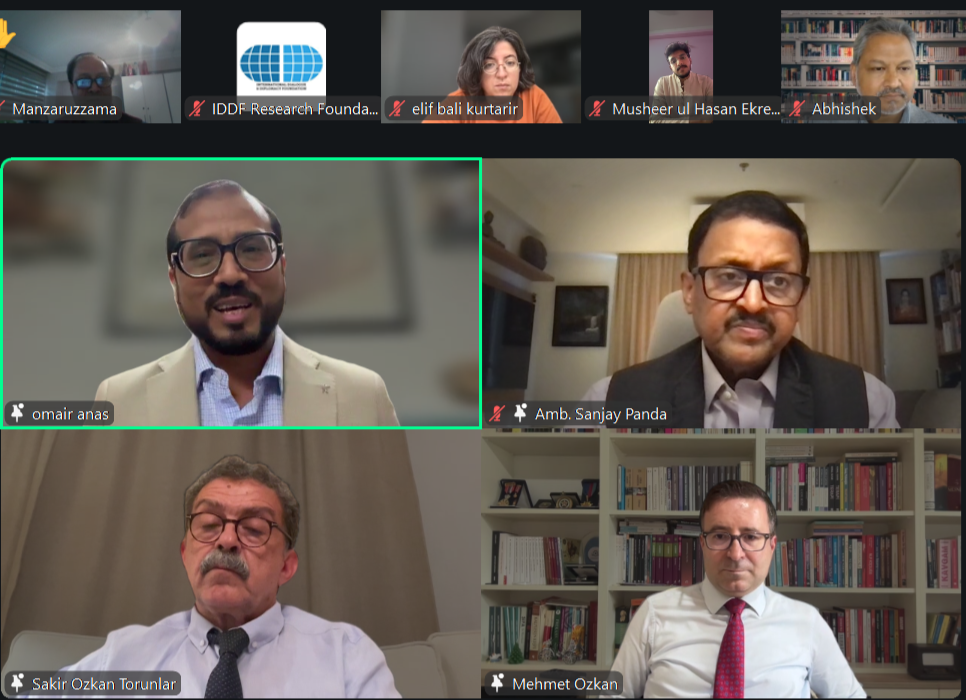
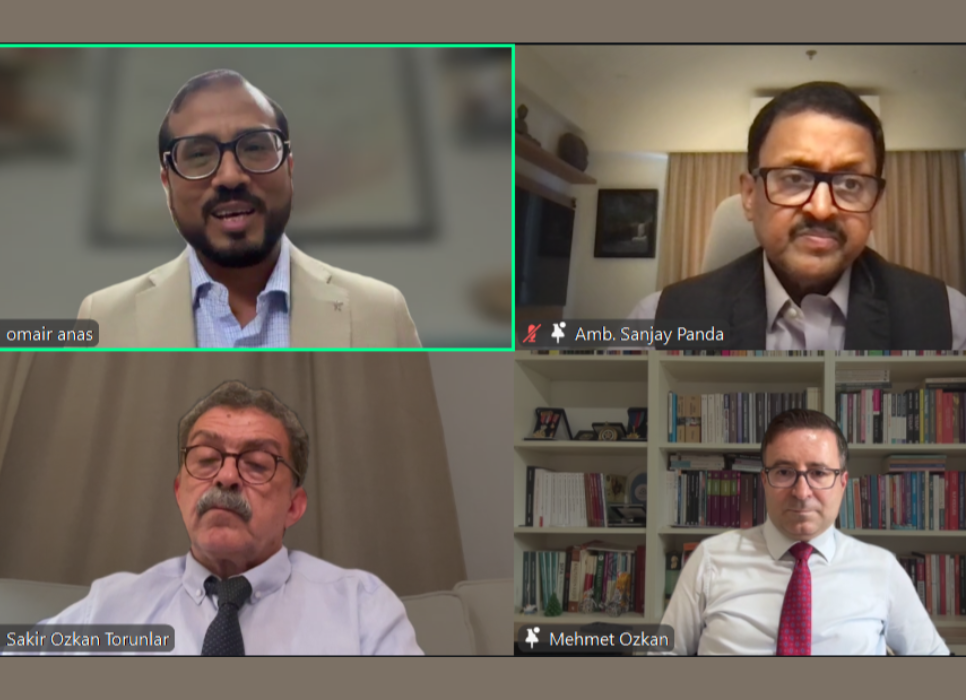
The webinar, organised by New Delhi-based IDDF Research Foundation, saw distinguished diplomats, scholars, policy experts, journalists, and researchers from India and Türkiye to deliberate on the future of bilateral relations amid the rapidly evolving geopolitical landscape of West Asia and the wider international system.
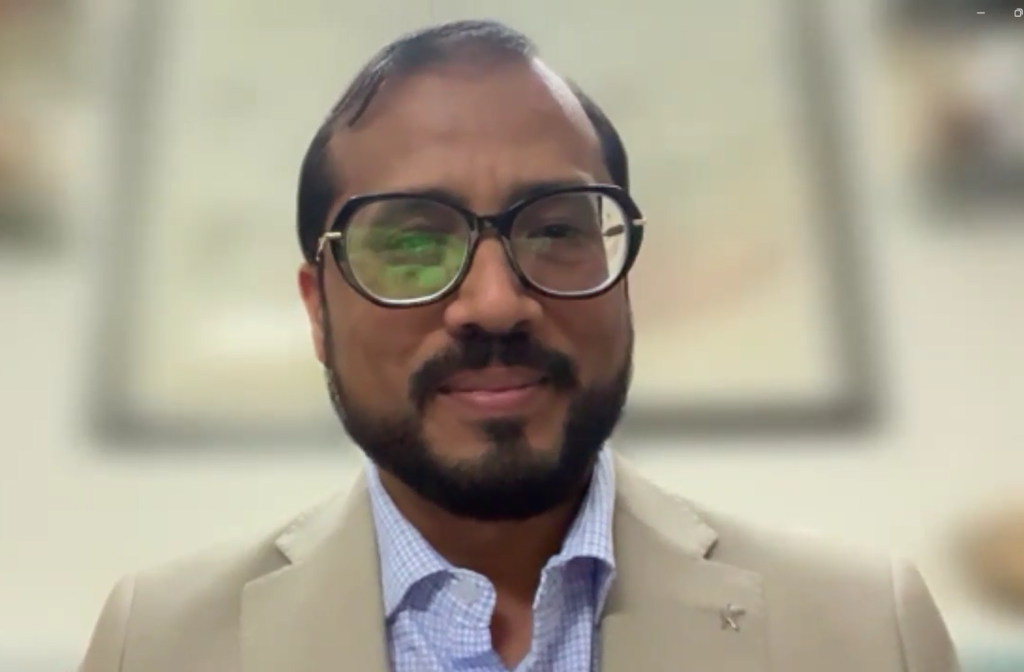
Opening the discussion, Dr. Omair Anas, Director of Research at IDDF, placed India–Türkiye relations within the broader context of accelerating geopolitical transformations across West Asia and Eurasia. He said that both countries are increasingly affected by the consequences of regional conflicts, disruptions in trade and connectivity corridors, energy insecurity, and shifting power alignments. According to Dr. Anas, the current moment demands a reassessment of bilateral relations based on strategic realities rather than inherited perceptions.
Stressing the significance of the current regional environment, he observed that “the Iran crisis has alarmed both Türkiye and India,” adding that the security concerns generated by ongoing conflicts have effectively “reached the doorstep of both countries.” He noted that developments in West Asia can no longer be viewed as distant geopolitical events, as they directly affect economic stability, maritime security, energy flows, and regional connectivity initiatives that are vital to both countries.
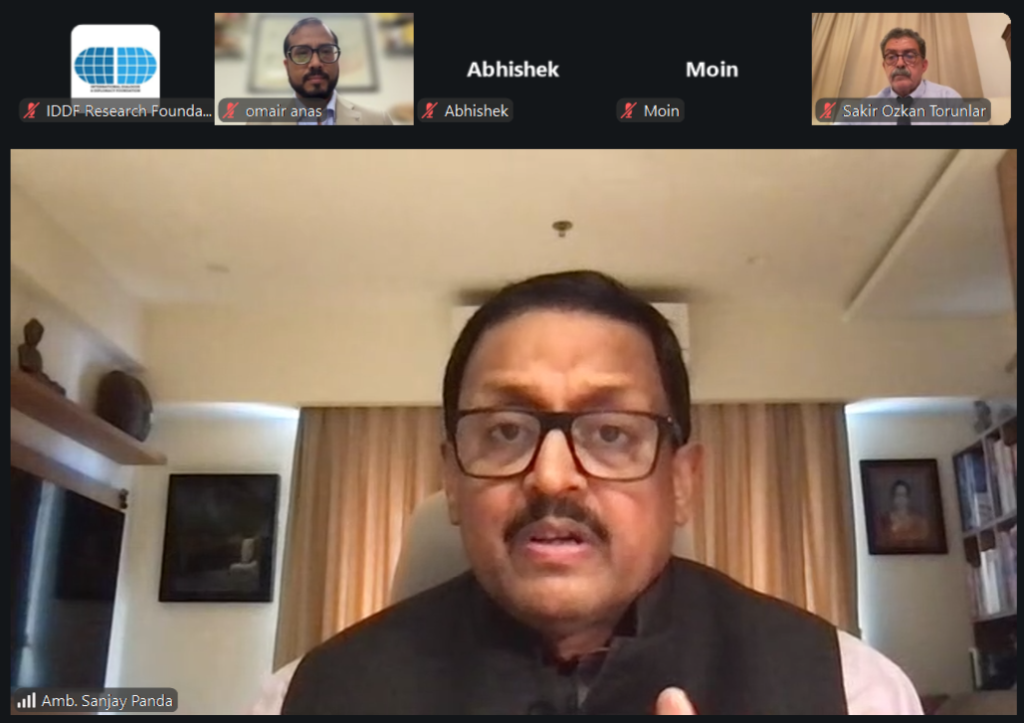
Ambassador Sanjay Panda, former Ambassador of India to Türkiye, reflected on the historical trajectory of bilateral ties and their unrealized potential. Describing the relationship as complex yet promising, he remarked that “India–Türkiye relations have been an enigma for which we are still searching answers.” While acknowledging periodic tensions in recent years, Ambassador Panda underlined the deep historical, cultural, and civilizational links that continue to connect the two nations.
He emphasized that bilateral relations should be conducted on their own merits and not through the prism of third-party considerations. Calling for greater strategic maturity on both sides, he stated, “We have to move aside our differences and decide the lowest common denominator in going ahead.” Ambassador Panda further argued that India and Türkiye, as major G20 economies, should focus on areas of strategic convergence, including climate change, sustainable development, connectivity, energy security, and regional stability. He stressed the importance of respecting each other’s core concerns while advancing cooperation in trade, technology, infrastructure, and investment.
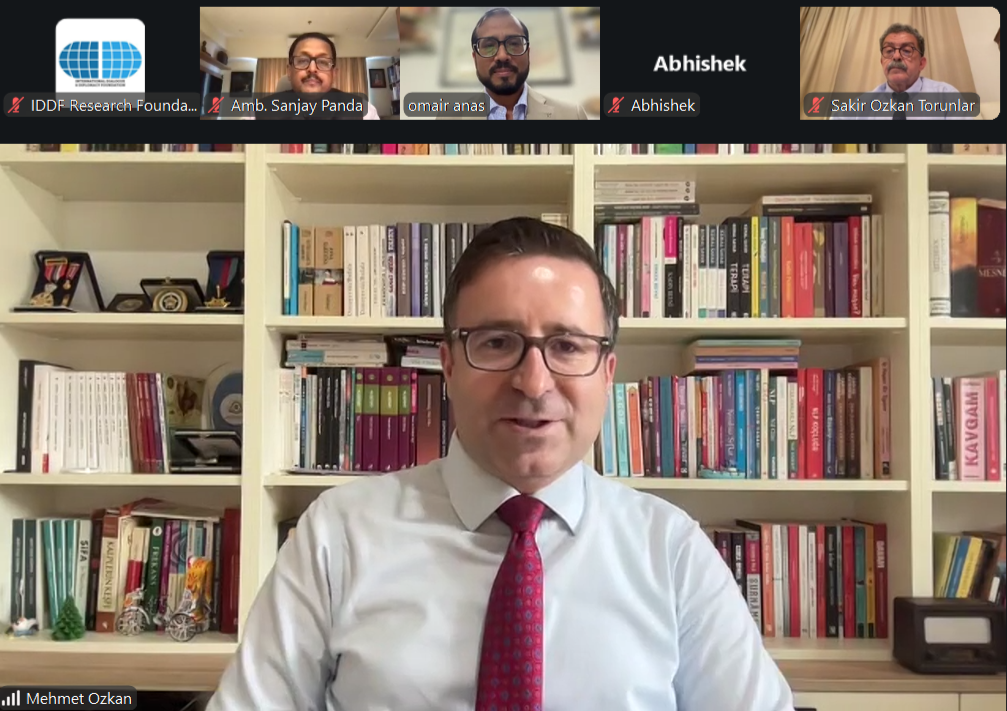
Offering a Turkish academic perspective, Prof. Mehmet Özkan, a prominent scholar of international relations and foreign policy at the Turkish National Defence University, argued that both countries continue to underestimate each other’s strategic significance. In what emerged as one of the most widely noted observations of the discussion, he stated that “India is missing from Türkiye’s Asia policy, and Türkiye is missing from India’s West Asia policy.” According to Prof. Özkan, this mutual strategic omission has limited the potential of bilateral engagement despite significant complementarities between the two countries.
Prof. Özkan noted that political disagreements have often overshadowed opportunities for cooperation and suggested that greater emphasis should be placed on business, civil society, academic exchanges, and intellectual dialogue. He remarked that “we should let business, civil society, and intellectuals take the lead, not politics,” while also emphasizing that “the biggest problem is that we have not been able to separate economic relations from political relations.” He argued that a more pragmatic and transactional approach could help create a stronger foundation for long-term cooperation.
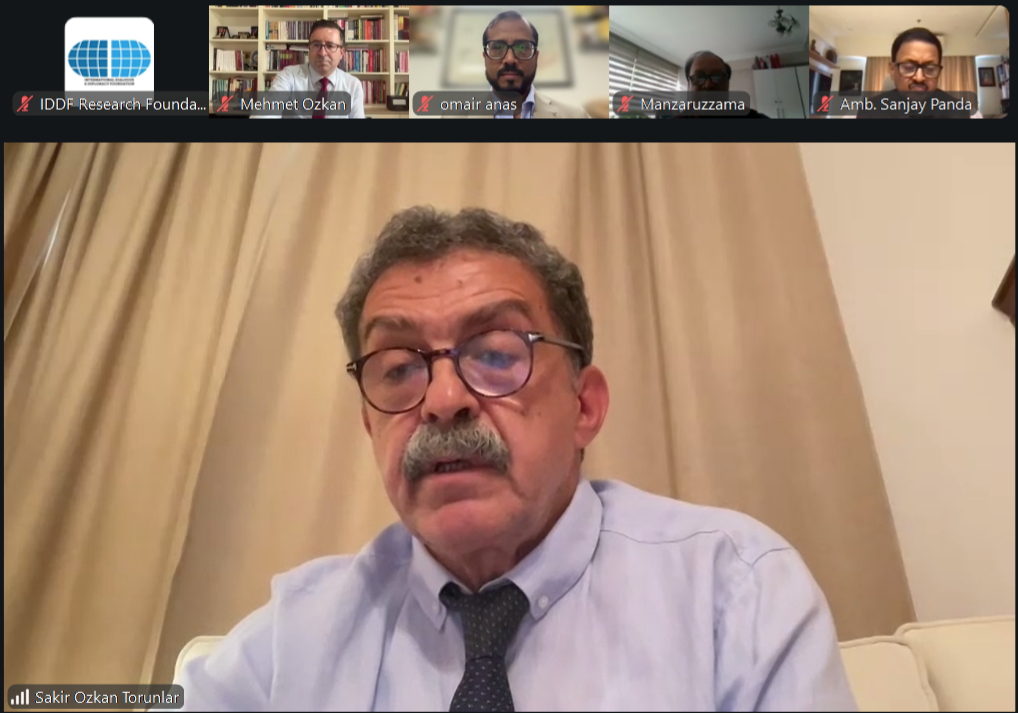
Former Turkish Ambassador to India Ambassador, Şakir Özkan Torunlar, reflected on his extensive diplomatic experience and recalled the significant progress achieved during periods of active engagement between the two countries. Referring to the landmark 2017 visit of Turkish President Recep Tayyip Erdoğan to India, he highlighted the substantial growth in business interactions, tourism, and people-to-people contacts that followed.
Emphasizing the economic opportunities available to both sides, Ambassador Torunlar observed that “the economies of India and Türkiye do not compete; they complement each other.” He noted that the current volume of bilateral trade remains well below its true potential and called for stronger institutional mechanisms to support economic engagement. Stressing the need for political commitment, he stated that “there should be a political will to overcome complexities, supported by the people and the private sectors.” He also advocated greater academic exchanges, revitalization of bilateral economic forums, and higher-level political engagement to build trust and unlock new avenues of cooperation.
A major theme running throughout the webinar was the impact of ongoing conflicts in West Asia, particularly developments involving Iran, Gaza, and broader regional security dynamics. Speakers broadly agreed that both India and Türkiye share an interest in preserving regional stability, preventing state fragmentation, ensuring secure connectivity corridors, and safeguarding energy supplies. Participants noted that the evolving geopolitical environment presents an opportunity for New Delhi and Ankara to identify common interests and develop more structured channels of dialogue on regional security issues.
The discussion also highlighted challenges that continue to affect bilateral relations, including media perceptions, limited civil society engagement, and insufficient academic interaction. Speakers stressed that misconceptions often emerge from a lack of sustained communication and called for stronger cooperation among universities, think tanks, journalists, and policy institutions. Enhanced educational exchanges, cultural initiatives, and research collaborations were identified as critical steps toward building greater mutual understanding.