India–Oman CEPA and the Road Ahead: An Ambassador’s Perspective on Trade, Strategy, and Vision 2040

Interview with Former Indian Ambassador to Oman, J. S. Mukul on CEPA
Prime Minister Narendra Modi recently visited the Sultanate of Oman (on December 17-18, 2025), during which a Comprehensive Economic Partnership Agreement (CEPA) was signed as a major outcome. The agreement is designed to significantly boost trade, investment, and services cooperation between the two nations. Our research intern, Warisha Wasi, spoke with Ambassador J. S. Mukul, former Ambassador of India to Oman, on the implications of the Comprehensive Economic Partnership Agreement (CEPA) and the future trajectory of India–Oman relations.
Question 1
One major outcome of the recent visit of PM Modi to Oman is the signing of the Comprehensive Economic Partnership Agreement (CEPA). In your view, what are the most important economic opportunities and challenges arising from CEPA for both countries?
Ambassador J. S. Mukul:
The signing of the Comprehensive Economic Partnership Agreement (CEPA) is a historic milestone or landmark achievement from Prime Minister Modi’s recent visit to Oman. The CEPA provides impetus to our bilateral trade relations, which go back many centuries, even millennia. The India-Oman trade, exceeding $10 billion, will benefit from near-universal tariff line duty-free access for Indian exports to Oman. Specifically, our exports of textiles, agriculture, food, engineering goods, machinery, equipment, etc. are likely to benefit. CEPA also provides relief in non-tariff barriers like expedited pharma approvals, recognition of India’s global certifications, and acceptance of organic and halal certificates. Therefore, it facilitates market access both through tariff concessions and reduction of non-tariff barriers for Indian exporters. On the other hand, Oman will get duty-free access for the export of its dates up to 2000 tonnes per annum; reduced duties on polyethylene/polypropylene; and marble exports to India. Thus, the CEPA is a win-win for both sides.
CEPA provides a big opportunity in investments. With Omani investment of around $675 million in the last 25 years and nearly 6,000 Indian joint ventures in Oman, CEPA will boost investment flows both ways. The special purpose vehicle India-Oman Joint Investment Fund (OIJIF) between SBI and Oman Investment Authority (OIA) for investment into India has successfully completed two tranches totalling $320 million and is currently implementing the third tranche of $300 million. CEPA is expected to boost Omani investments through OIJIF or outside it. Similarly, Indian joint ventures such as the Oman India Fertilizer Company (OMIFCO) in Oman between Oman Oil Company and Iffco-Kribhco for urea, the Jindal steel plant, L&T’s projects, etc. will receive encouragement.
CEPA will also provide impetus for cooperation in the services sector in the future, for example, through the linkage between India’s UPI with Oman’s payment system, exploring trade in local currencies, and the adoption of India’s RuPay card in Oman. All these could be crucial for the economic partnership going forward. These CEPA opportunities led Prime Minister Modi to speak about “a shared future” for the two neighbours joined by the waters of the Arabian Sea.
Despite these many achievements/opportunities of CEPA, the major challenge on the ground remains the actual implementation of these CEPA openings and pathways by the private sector.
Q. What should be the key priorities for India–Oman relations over the next decade, especially in a rapidly changing regional and global order?
Ambassador J. S. Mukul:
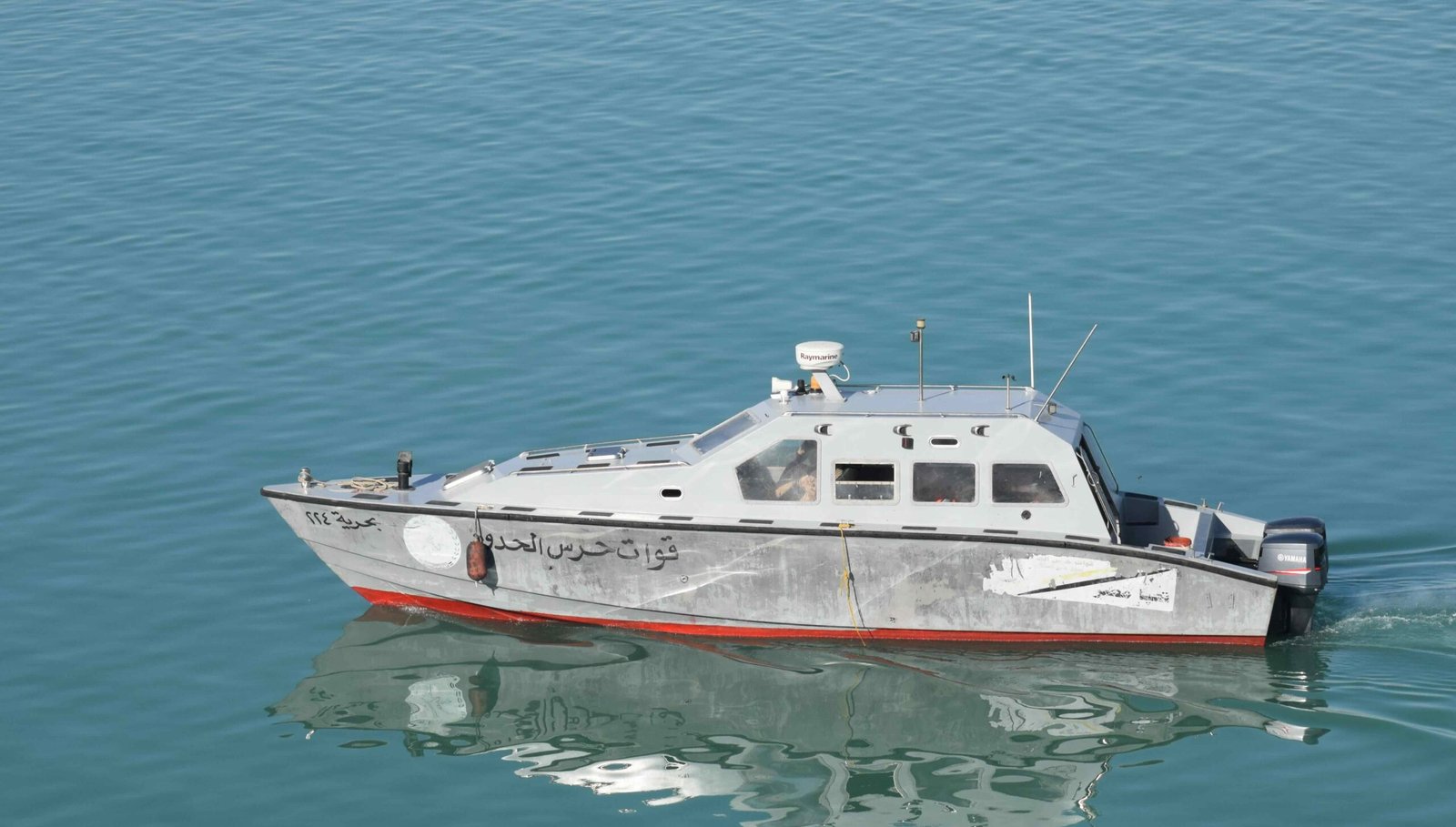
A. India and Oman enjoy traditionally strong relations, which have progressed to the level of an all-encompassing or multi-faceted strategic partnership. The political relationship has been underpinned by high-level exchanges. Oman is the first country in the Gulf with which India has regular biennial tri-services military exercises: Naval ‘Naseem Al-Bahr’ (Sea Breeze), Air Force ‘Jisr Al-Sharqi’ (Eastern Bridge), and Army ‘Al-Najah’ (Victory). There are also close contacts between the two Coast Guards. Both countries have cooperated for the operational turnaround of Indian naval ships on anti-piracy operations, etc., around Salalah. There is access for logistics and maintenance at the Port of Duqm. Reports indicate that following Oman phasing out its Jaguar fleet, the aircraft and spares may be transferred to India. All these demonstrate strong defense and political ties. However, the economic relations had not kept pace. The CEPA should provide the required thrust to take the bilateral economic-commercial relations to the next level.
In addition, Oman is central to India’s energy security as the Sentinel of the Straits of Hormuz, a critical chokepoint in the Gulf through which the bulk of India’s oil and gas supplies flow. It is noteworthy that the main shipping channels in the Straits fall within the territorial waters of Oman. Therefore, it is in the mutual interest of both India and Oman to keep the Straits of Hormuz free and open.
Apart from hydrocarbons, there have been discussions on renewable energy cooperation, including green ammonia, green hydrogen, and India’s invitation to Oman to join the Global Biofuels Alliance (GBA).
The Prime Minister’s visit also showcased cooperation in maritime and agriculture fields, including fisheries, animal husbandry, and millet cultivation.
Q. How can CEPA contribute to Oman’s Vision 2040 and India’s broader economic and trade strategy in the Gulf region?
Ambassador J. S. Mukul:
While both nations have their own national development plans—Oman’s Vision 2040 and India’s Viksit Bharat Vision 2047—CEPA will contribute to these goals through robust economic diversification by augmenting trade, investment, and tourism flows. CEPA also helps boost people-to-people contacts. The Indian diaspora community in Oman, numbering around 700,000, will be relieved that despite ongoing Omanization, CEPA provides for Indian companies to hire up to 50% Indian nationals for their ventures in Oman.
In this context, a voyage to replicate ancient maritime contacts is presently underway by INSV Kaundinya—a stitched ship built using coir ropes, fish oil, etc., techniques of the past. The vessel has sailed from Porbandar en route to Muscat with 15 Indian Navy sailors onboard. The ship built using designs from Ajanta cave paintings demonstrates the historic trade contacts that further strengthen cultural ties.
CEPA also reflects India’s broader economic-commercial interests with the Gulf Cooperation Council (GCC). Along with the FTA with the UAE, the latest CEPA with Oman could serve as building blocks for the long-pending India-GCC FTA in the future.