Key Takeaways from the IDDF Symposium on India’s West Asia Policy

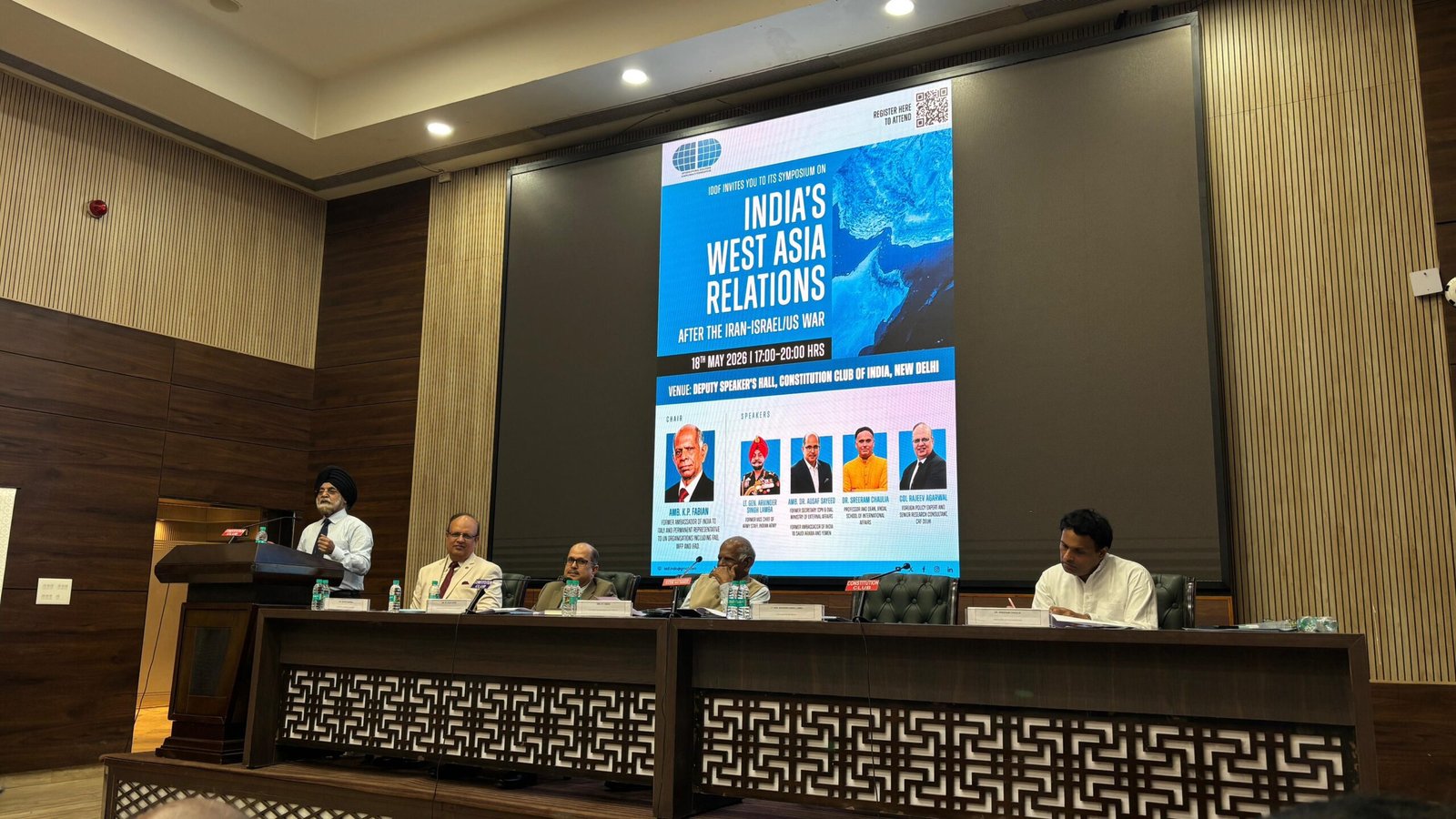
The ongoing war involving Iran, Israel, and the United States has fundamentally reordered the geopolitical architecture of West Asia. For India, this region is a vital pillar for energy security, maritime trade lanes, and the livelihoods of millions of expatriate workers. With an immediate truce unlikely, New Delhi is finding its traditional strategic balancing act increasingly difficult to maintain.
To evaluate these pressing challenges, the International Dialogue and Diplomacy Foundation (IDDF) hosted a symposium titled “India’s West Asia Relations after the Iran–Israel/US War” on May 18, 2026, at the Constitution Club of India, New Delhi. Chaired by Ambassador K.P. Fabian, the event analyzed the conflict’s ramifications for India across key domains: policy formulation, strategic balancing, diaspora safety, economic security, and shifting global leadership.
Key Insights from Expert Panelists
1. Diplomatic Conduct & Post-War Standing
- Ambassador K.P. Fabian: Emphasized that India’s long-term influence in West Asia directly depends on how it conducts its diplomacy during the current hostilities. Commenting on volatile global politics, he noted that timelines and pressures are intensifying rapidly for leadership on all sides.
2. Strategic Posturing and Peace Brokerage
- Dr. Sreeram Chaulia (Dean, Jindal School of International Affairs): Traced the conflict back to the October 7, 2023 attacks, noting India’s challenge in maintaining ties with both factions while securing trade via the vital Strait of Hormuz.
- India as a Peace Broker: Dismissing Pakistan’s US-backed mediation role as untenable for Israel, Dr. Chaulia argued that India’s presence in global forums makes it a far superior peace broker, allowing it to project power through proactive but cautious engagement.
- Overseas Presence: He clarified that establishing overseas military bases should not be viewed as adventurism, but rather as a necessary assertion of power given intense global rivalries.
3. Asymmetric Warfare and Maritime Threats
- Lt. Gen. Arvinder Singh Lamba: Characterized the conflict as a delicate, “contactless” war defined by asymmetry, drone technology, and airspace denials. He warned that political overreach in military matters risks catastrophic consequences for global energy security, especially with major powers like Russia and China involved.
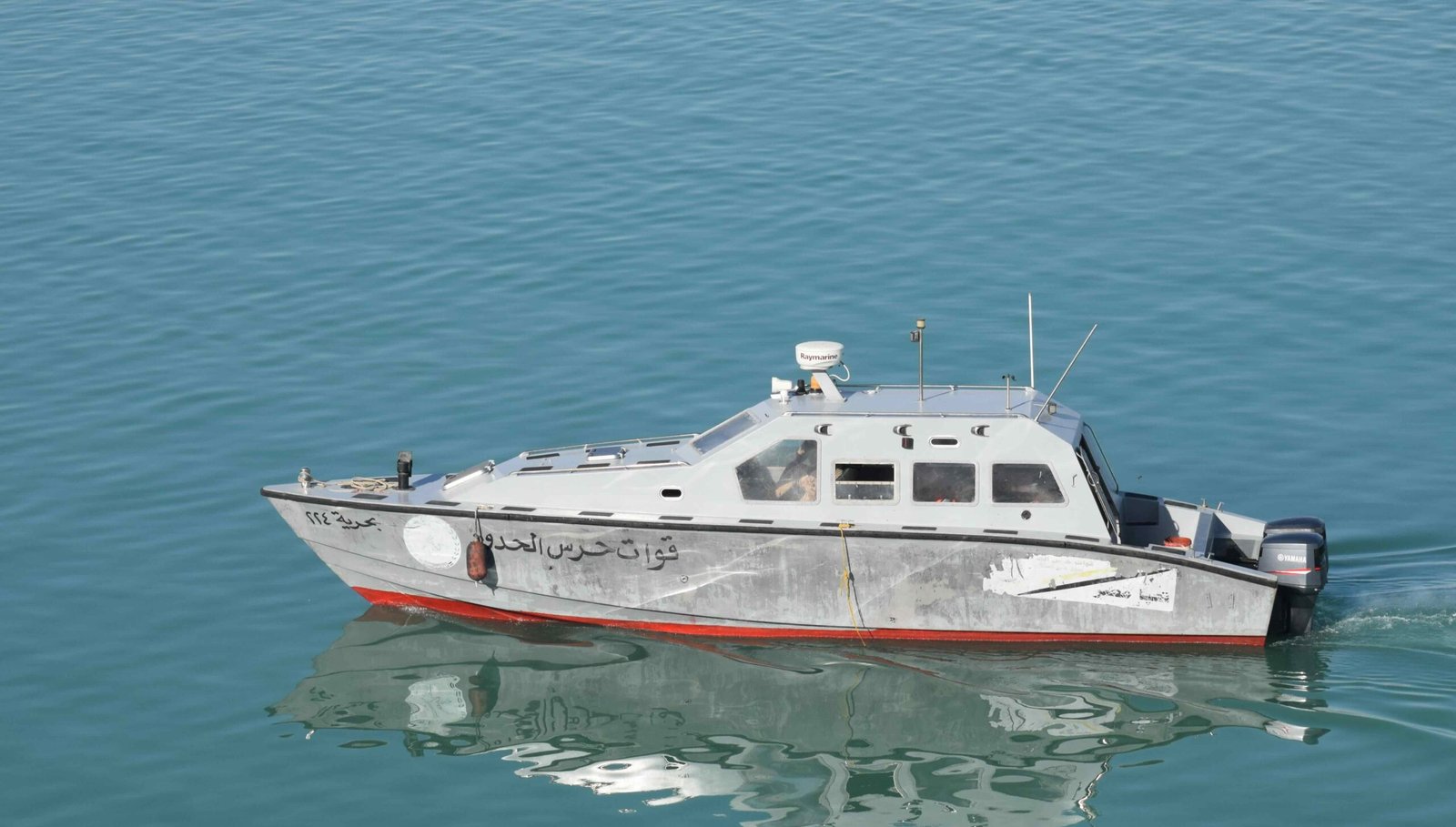
- Houthi Aggression: He specifically highlighted how Houthi maritime attacks near the Strait of Hormuz, including direct strikes on India-bound commercial vessels, complicate regional security and India’s bilateral dynamics.
4. The “Double Blockade” and Course Correction
- Ambassador Dr. Ausaf Sayeed (Former Envoy to Saudi Arabia and Yemen): Observed that Washington is losing its traditional strategic credibility to Beijing, accelerated by China’s March 2023 mediation of the Saudi-Iran rapprochement.
- Economic Impact: Dr. Sayeed noted that India is a direct casualty of the “double blockade” around the Strait of Hormuz, facing challenges regarding agricultural fertilizer imports, $50 billion in diaspora remittances, and connectivity projects like Chabahar and the IMEC.
- Policy Pivot: He highlighted New Delhi’s “midway course correction”—shifting from an initial, explicit alignment with Israel to engaging all parties later in the war. He also noted that India has returned to its traditional stance of supporting a two-state solution for Palestine based on pre-1967 borders.
5. Supply Chain and Global Credibility
- Colonel Rajeev Agarwal: Labeled the conflict an unnecessary war with severe global consequences. He described it as an asymmetric “war of percentages” relying on endurance, dispersion, and diversion. He concluded that while the war aimed to target Iran’s nuclear programs for regime change, it has instead undermined US credibility and exposed deep vulnerabilities in global supply chains.
Core Strategic Focus Areas for India
- Strategic Balancing: Pivoting from a rigid stance to engaging all regional stakeholders to protect long-term interests.
- Economic & Maritime Security: Safeguarding vital trade routes from drone and maritime aggression to secure fertilizer imports and regional connectivity.
- Diaspora Protection: Ensuring the safety of millions of Indian workers and the steady flow of $50 billion in annual remittances.
A full, comprehensive report will follow soon.