Putin in Delhi: What the 23rd Annual Summit Means for Indian Foreign Policy?

By – Sagnik Nandi
Russian President Vladimir Putin arrived in India between 5-7th December 2025 for the 23rd annual Russia-India bilateral summit, one of the first major political initiatives between the two countries after the collapse of the Soviet Union and which has been in place since the year 2000. This marks the first visit by President Putin to India since the outbreak of the Russia-Ukraine conflict in 2022. The visit occurred amidst the backdrop of Western sanctions on Russia and against the increasing pressure of an assertive United States led by the Trump administration which had imposed an additional 25 percent tariff on India in August .The United States argued that the tariffs were in response to India’s purchase of discounted crude oil from Moscow which was inadvertently fuelling Russia’s war on Ukraine. Historically, India has maintained a close relationship with Russia characterised by a “Special and Privileged Strategic Partnership” and both the countries have cooperated across various sectors particularly defence, nuclear energy and more recently crude oil since 2022.
India, as a strategic partner is quite important for Russian foreign policy for a variety of reasons. India with a population of more than a billion is the fastest growing economy with the rate of growth exceeding 8 percent which makes it an attractive market for the penetration of Russian goods, more so, as it has received a cold shoulder and sanctions from its Western counterparts. The Kremlin also benefits enormously from its arms supply to India, and it has been since the times of the USSR. Additionally, the country faces a manpower shortage exacerbated by the war and it sees India as a valuable supplier of a labour force, both skilled and unskilled.
India, on the other hand, ever since the end of the Cold war has drifted more towards the West but has always tried to play a balancing act by also trying to keep its relationship with Russia afloat. Russia remains the largest supplier of defence equipment to India as per the Stockholm International Peace Research Institute. Bilateral trade between the countries have soared to $68.7 billion in 2025. However, the balance remains skewed in favour of Russia as a major chunk of trade accounts for the cheap crude oil imports. Russia still accounts for just above 30 percent of India’s total oil imports by value and volume.
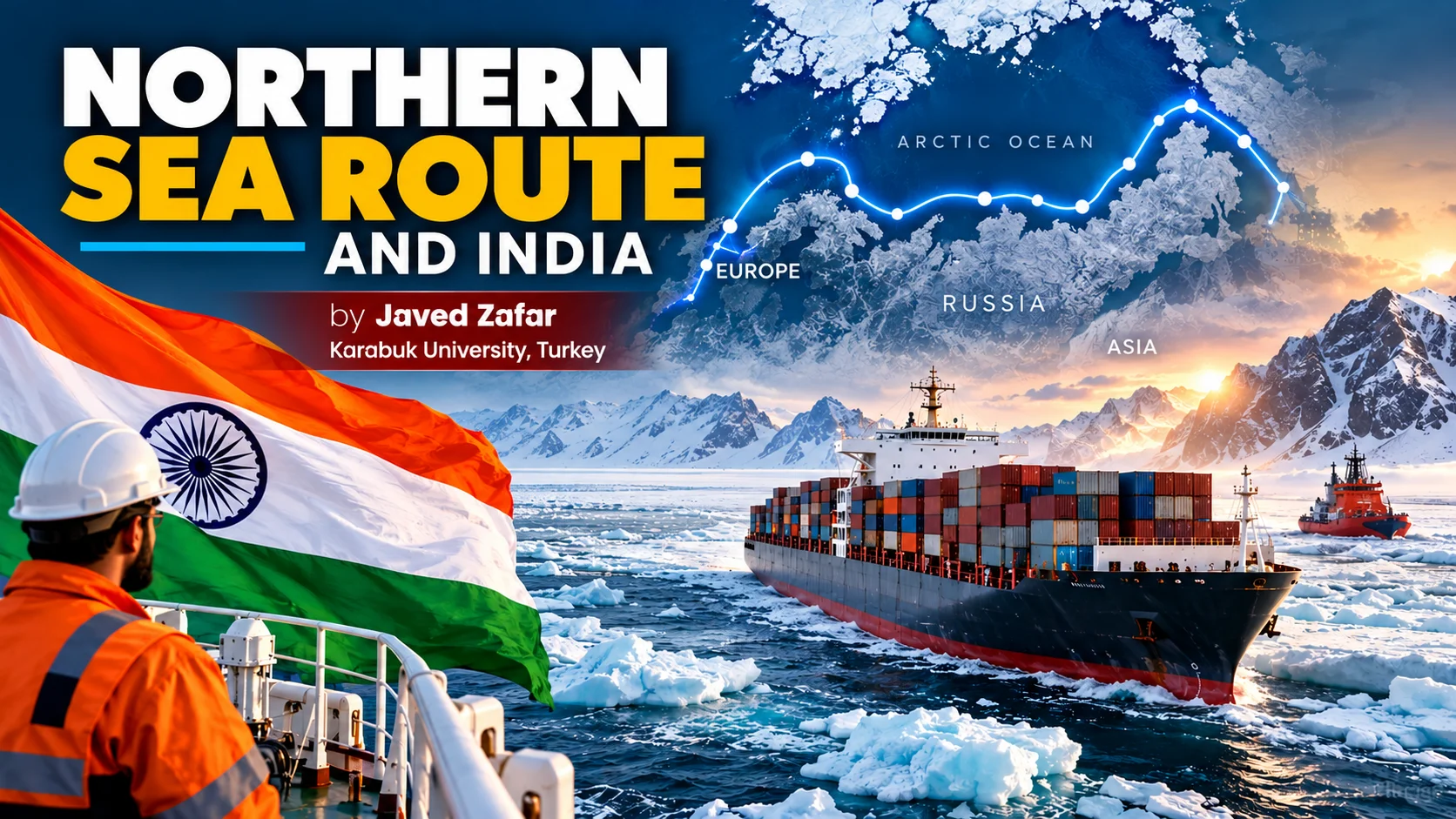
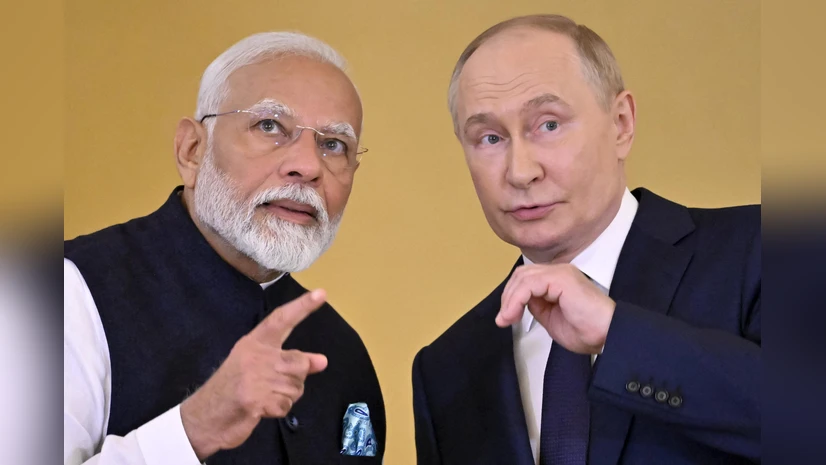
During the summit, Prime Minister Modi broke protocol to receive Putin at the airport where the two exchanged pleasantries and settled at the back of the same car which is being dubbed as ‘limo diplomacy’. The leaders announced that both the countries have agreed to finalise an economic cooperation programme until 2030 and aims for an ambitious economic target of $100 billion. Putin also remarked that negotiations are underway for an India-Eurasian Economic Union free trade zone. The Eurasian Economic Union is a Moscow dominated entity composed of ex-soviet countries and once the deal is concluded it would contribute towards increased trade. On the civil nuclear energy front, both sides have expressed their willingness to broaden their cooperation for the functioning of the Kudankulam Nuclear Power Plant in Tamil Nadu. Discussions were also held for the development of the International North-South Transport Corridor (INSTC), the Chennai–Vladivostok (Eastern Maritime) Corridor, and the Northern Sea Route (NSR).
The summit provided a platform to discuss a variety of issues ranging from trade, economic ties to nuclear cooperation and defence. However, analysts argued that the summit also was seen as a symbol of political messaging. Putin indicated that Western efforts have failed to isolate Russia over the war in Ukraine. It also demonstrated the fact that Moscow has allies which supports the concept of a ‘multipolar world order’ which India also has been an advocate of since the turn of the century. Notably, Prime Minister Modi did not pressure Russia to accept a Ukrainian peace deal as the West would have hoped but instead remarked “India is not neutral, India is on the side of peace”. India also seeks to maintain economic engagement with Russia and provide diversity to its external economic orientation to prevent Moscow’s overreliance on China. India has also remained a strong advocate of ‘strategic autonomy’ which has been a cornerstone of its foreign policy. Rather than aligning with the West, it has emphasized its sovereign right of acquiring affordable energy resources for its growing economy.
In all its essence, the visit reaffirmed that Russia continues to remain an important pillar among India’s external partnerships despite pressures from the Trump administration. The joint statement which was issued following the summit captured the essence : “The leaders emphasized that in the current complex, tense, and uncertain geopolitical situation, Russian-Indian ties remain resilient to external pressure.”. In the upcoming future, managing this delicate equilibrium between the West and Russia will define India’s role in this increasingly fragmented international system.
Sagnik Nandi is an intern at IDDF Research Foundation.