Sheikh Hamad bin Khalifa Al Thani (1952–2026): Visionary Architect of Modern Qatar Passes Away

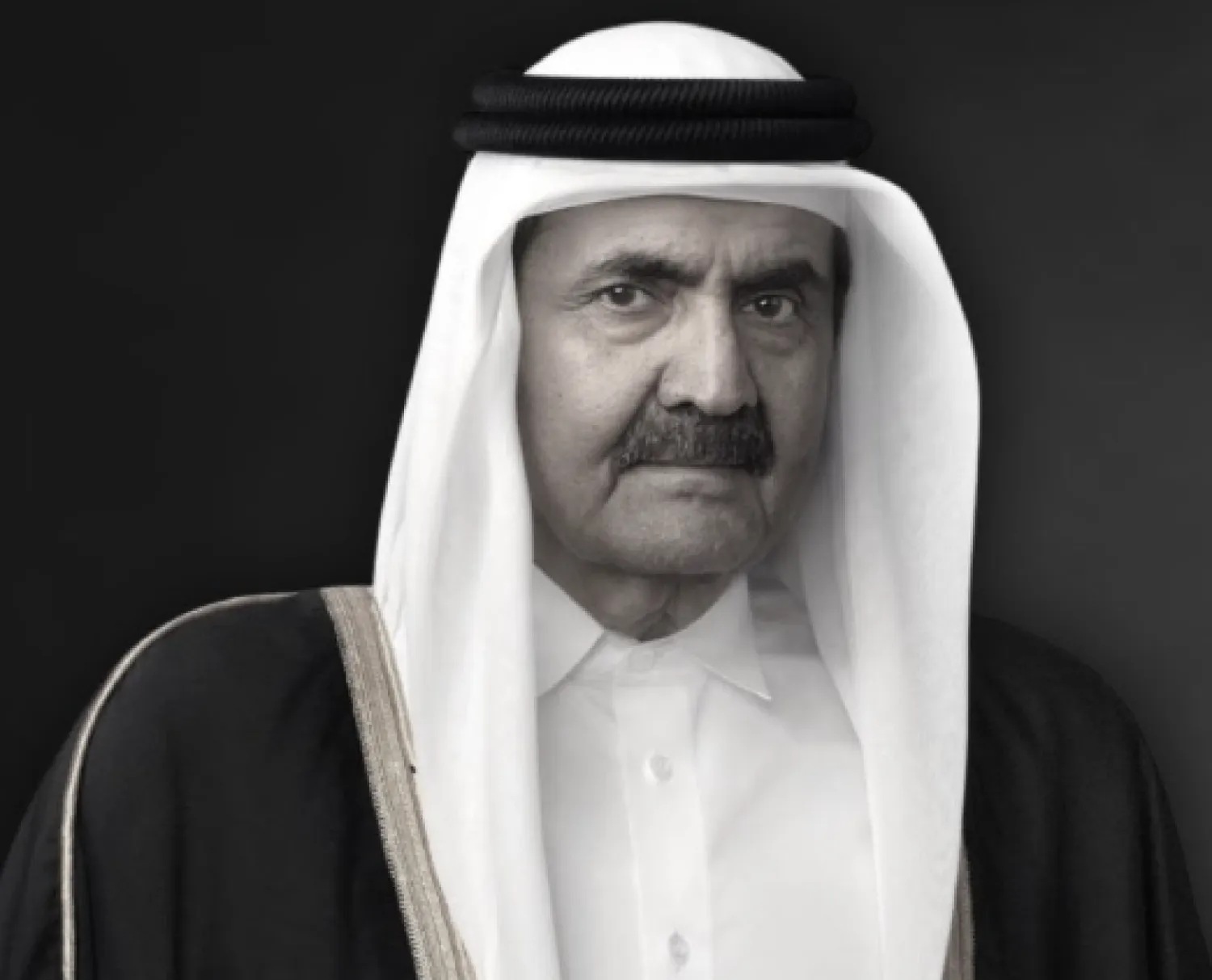
The State of Qatar is mourning the passing of His Highness the Father Amir Sheikh Hamad bin Khalifa Al Thani, who died on 12 July 2026 at the age of 74. The Amiri Diwan announced a four-day period of national mourning across Qatar, with flags to be flown at half-mast and government offices and public institutions closed in honour of the leader widely regarded as the architect of modern Qatar.
Born in Doha on 1 January 1952, Sheikh Hamad assumed power as Emir on 27 June 1995 and led Qatar until 2013, when he voluntarily transferred authority to his son, His Highness Sheikh Tamim bin Hamad Al Thani. His peaceful abdication marked one of the first voluntary transfers of power in the contemporary Arab world.
Over nearly two decades in office, Sheikh Hamad transformed Qatar from a relatively small Gulf state into a globally influential nation. Under his leadership, Qatar harnessed its vast natural gas resources, particularly the North Field, to become one of the world’s leading exporters of liquefied natural gas (LNG). The country’s unprecedented economic growth financed major investments in infrastructure, healthcare, education, scientific research and public welfare.
His vision, however, extended beyond economic prosperity. Sheikh Hamad established Al Jazeera Media Network in 1996, giving Qatar an influential global media presence and reshaping the Arab media landscape. He also championed the establishment of Education City, attracting leading international universities to Doha, while investing heavily in culture, sports and innovation. These initiatives laid the foundation for a diversified, knowledge-based economy and enhanced Qatar’s global soft power.
On the international stage, Sheikh Hamad pursued an independent foreign policy that elevated Qatar into a respected diplomatic actor. Doha emerged as a venue for mediation in conflicts across Lebanon, Sudan, Yemen, Somalia and the Palestinian territories, while Qatar also expanded its humanitarian engagement. His long-term vision was institutionalised through Qatar National Vision 2030, which continues to guide the country’s development strategy.
Sheikh Hamad’s tenure also witnessed a significant strengthening of India–Qatar relations. As Qatar emerged as a major energy supplier to India, bilateral cooperation expanded across trade, investment, defence, education and people-to-people ties. The large Indian expatriate community in Qatar flourished during this period, becoming an important bridge between the two countries. High-level exchanges and growing strategic engagement laid the foundation for the comprehensive partnership that continues under the leadership of Emir Sheikh Tamim bin Hamad Al Thani.
Reflecting the close ties between the two countries, the Government of India declared a one-day national mourning on 13 July 2026 as a mark of respect for the late Father Amir. The National Flag will be flown at half-mast throughout the country on all buildings where it is regularly flown, and there will be no official entertainment. Union Minister for Parliamentary Affairs and Minority Affairs Kiren Rijiju is visiting Qatar to convey condolences on behalf of the Government of India.
Prime Minister Narendra Modi paid tribute to Sheikh Hamad in a message on X:
“We deeply mourn the passing of Father Amir of State of Qatar, HH Sheikh Hamad bin Khalifa Al Thani. A visionary leader who led Qatar to great levels of development and prosperity, we remember him also as a true friend whom I had the honour of meeting during my last visit to Qatar in February 2024. I convey my sincere condolences to the Amir of Qatar, HH Sheikh Tamim bin Hamad Al Thani and the entire royal family and people of Qatar. May the departed soul rest in eternal peace.”
Sheikh Hamad bin Khalifa Al Thani leaves behind an enduring legacy as the architect of modern Qatar. His transformative leadership reshaped the country’s economy, expanded its diplomatic influence, and established Qatar as a global hub for energy, education, media and mediation. His vision continues to shape Qatar’s domestic development and international engagement, making him one of the most consequential leaders in the contemporary history of the Gulf and the wider Middle East.